
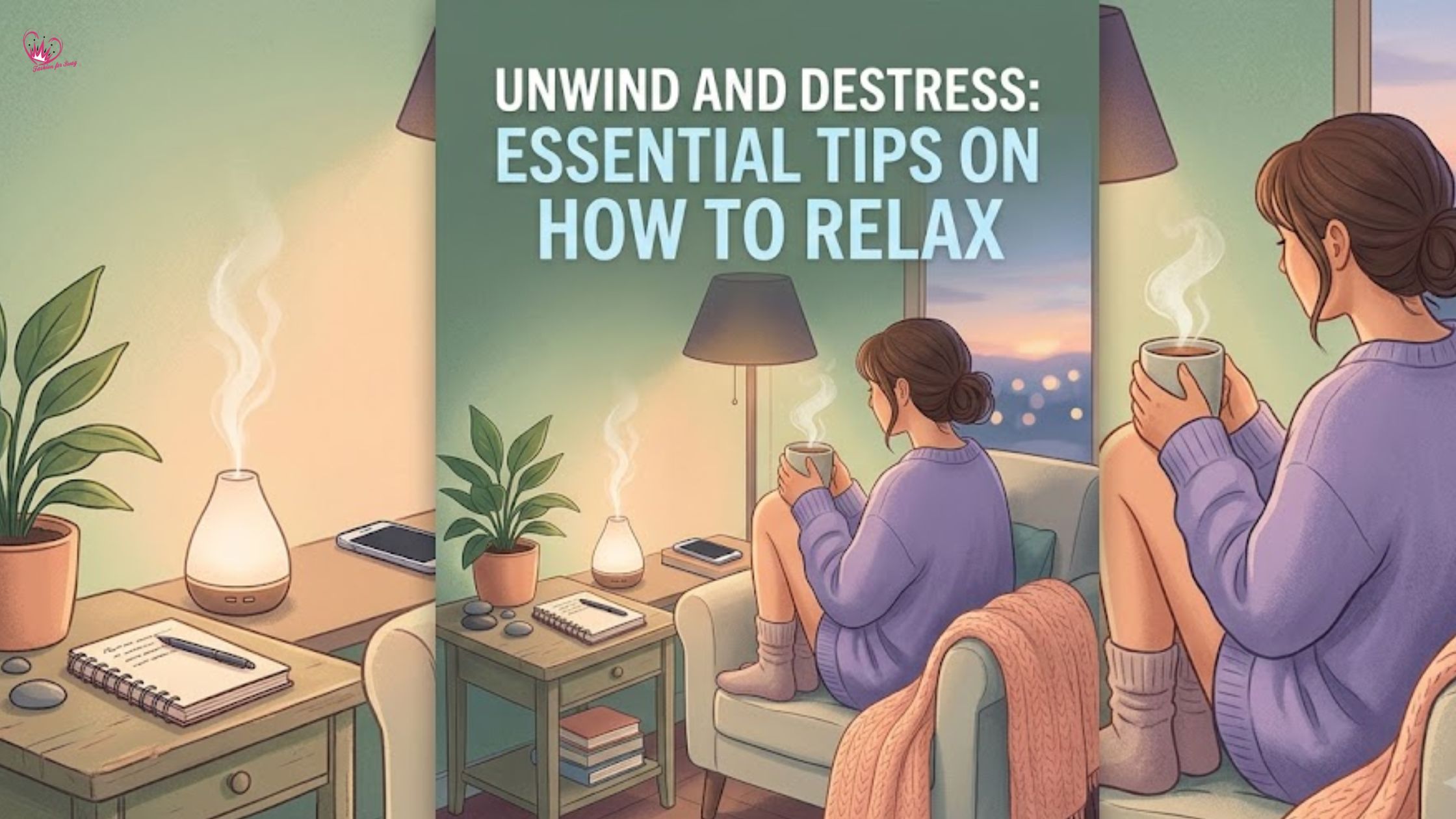
Unwind and Destress: Essential Tips on How to Relax
In today’s fast-paced world, being constantly “on” has become a badge of honor. Whether you are juggling professional deadlines, managing a household, or steering digital projects, life moves at a relentless speed. However, chronic stress takes a heavy toll on both your mental clarity and physical health. Learning how to properly unwind is not a luxury—it is an absolute necessity for long-term well-being.
If you find it difficult to switch off your racing mind or simply don’t know where to start, here are essential, practical tips to help you de-stress and reclaim your peace of mind.
1. Establish a Digital Sunset
One of the biggest obstacles to true relaxation is the constant ping of notifications, emails, and social media feeds. Your brain remains in a state of high alert as long as it is processing information.
- How to implement it: Set a specific time in the evening—at least an hour before bed—to turn off work laptops, put your phone on silent, and step away from screens. Use this time for analog activities like reading, journaling, or gentle stretching.
2. Practice Deep Breathing & Breathwork
When you are stressed, your breathing naturally becomes shallow, signaling your nervous system to stay in a “fight-or-flight” mode. Deliberate deep breathing acts as an immediate override switch for your nervous system.
- How to implement it: Try the 4-7-8 technique: Inhale quietly through your nose for 4 seconds, hold your breath for 7 seconds, and exhale completely through your mouth, making a whoosh sound for 8 seconds. Repeat this cycle four times to instantly lower your heart rate.
3. Create a Sanctuary Space
Your environment heavily influences your psychological state. If your living or working space is cluttered and chaotic, your mind will likely reflect that disorder.
- How to implement it: Designate a small corner of your home as your dedicated relaxation zone. Keep it free of work papers and clutter. Fill it with elements that soothe your senses—soft lighting, a cozy throw blanket, a plush cushion, or a subtle diffuser with calming essential oils like lavender or chamomile.
4. Incorporate Mindful Movement
Exercise is a powerful stress reliever, but intense workouts aren’t always what you need when you are mentally exhausted. Gentle, mindful movement helps release physical tension stored in the muscles without draining your remaining energy.
- How to implement it: Swap high-intensity cardio for restorative yoga, a slow evening walk in the neighborhood, or 15 minutes of dynamic stretching. Focus entirely on how your body feels with every movement.
5. Indulge in a Warm Hydrotherapy Ritual
Water has a deeply therapeutic, grounding effect on the human body. A warm bath or a long, soothing shower can literally wash away the physical weight of a stressful day.
- How to implement it: Turn your shower or bath into a mini-spa experience. Add Epsom salts to a warm bath to relieve muscle tension, dim the overhead lights, play ambient instrumental music, or use an eucalyptus-infused body wash to clear your senses.
6. Engage in a Creative or Flow-State Hobby
True relaxation isn’t just about doing nothing; it’s often about shifting your focus away from daily worries and into a creative outlet where time seems to stand still.
- How to implement it: Pick up a hobby that requires gentle hand-eye coordination and creativity—such as sketching, adult coloring books, knitting, tending to houseplants, or playing a musical instrument. Letting go of the need for perfection allows your brain to genuinely rest.
7. Journal Out Your Mental Clutter
Often, we feel stressed simply because our brains are trying to hold onto too many open loops—to-do lists, worries, and future plans.
- How to implement it: Keep a bedside notebook for a “brain dump.” Spend five minutes writing down everything swirling in your head without filtering it. Once your thoughts are safely on paper, your brain recognizes that it no longer needs to actively panic about remembering them.
Final Thoughts
Relaxation is a skill that requires practice. You cannot pour from an empty cup, and taking time to step back does not make you unproductive—it makes you sustainable. Start small by picking just one or two of these habits to integrate into your daily routine, and watch how your overall energy and peace transform.