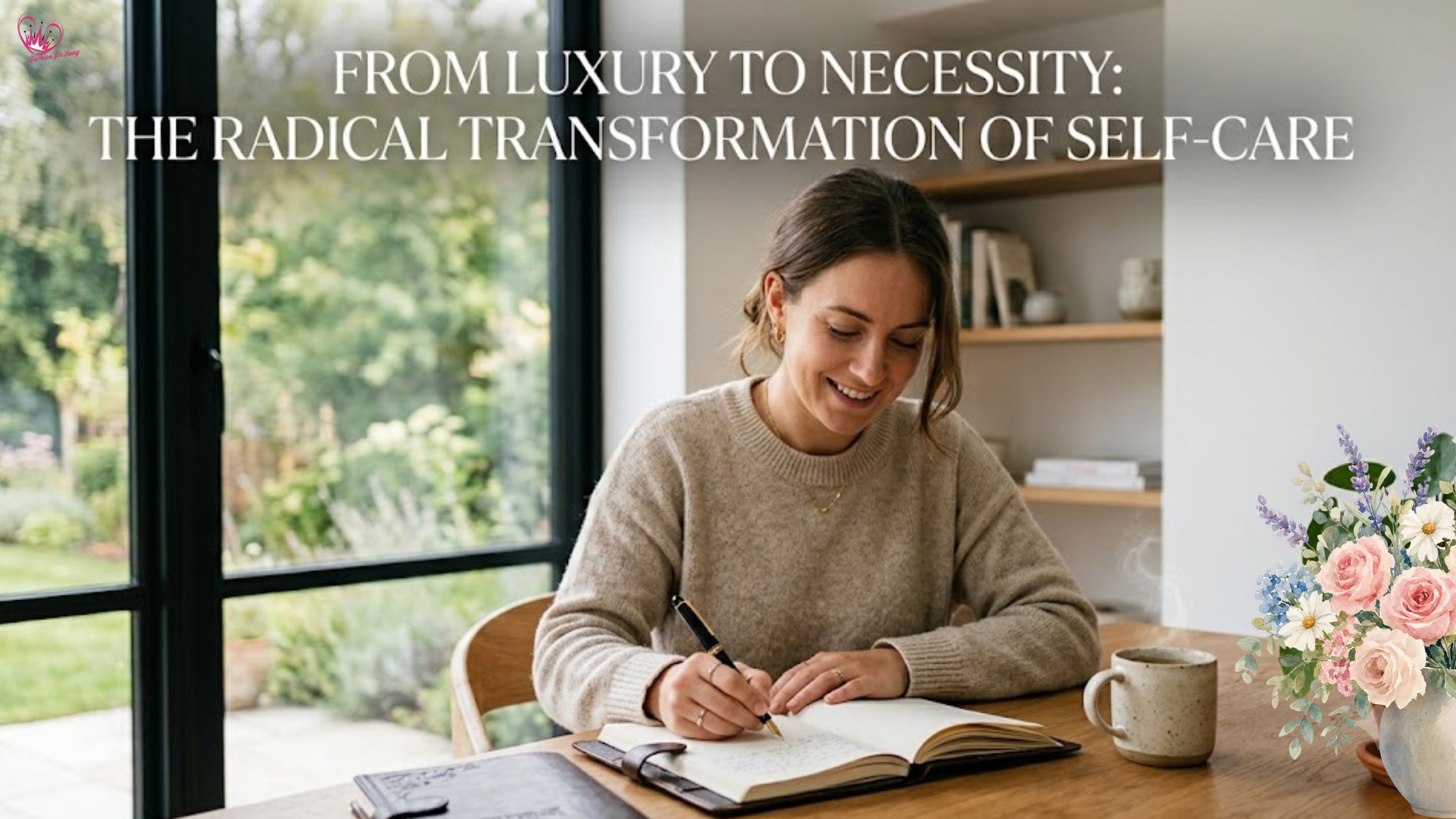
From Luxury to Necessity: The Radical Transformation of Self-Care
Not too long ago, if you heard the term “self-care,” a very specific image likely popped into your head. You probably pictured a porcelain bathtub overflowing with artisan bubbles, a cucumber-slice facial, perhaps a plush white robe, or an expensive weekend retreat to a wellness spa. For a long time, taking care of yourself was inextricably linked to consumerism. It was a treat. It was a luxury reserved for those who had the surplus time and disposable income to indulge in it. But over the last few years, a quiet revolution has taken place. Driven by global stressors, a collective reckoning with burnout, and a deeper understanding of mental health, we have fundamentally redefined what it means to look after ourselves. Today, we are witnessing the radical transformation of self-care—a shift from aesthetic indulgence to basic, non-negotiable survival. Here is how self-care evolved from a luxury marketing buzzword into a necessary framework for daily living, and how you can embrace this new, unglamorous era of wellness.
The “Treat Yo’ Self” Era: Self-Care as a Commodity
To understand the transformation of self-care, we have to look at where it started in the mainstream zeitgeist. During the 2010s, self-care was heavily commercialized. It was the era of #SelfCareSunday, characterized by aesthetically pleasing Instagram posts featuring sheet masks, lit candles, and glasses of wine.
While there is absolutely nothing wrong with enjoying a bubble bath or a glass of Merlot (in fact, those things are wonderful), the cultural narrative suggested that you could simply buy your way out of exhaustion. If you were stressed from working sixty-hour weeks, the prescribed solution was to buy a $40 bath bomb and “treat yourself.”
The problem with this approach was twofold. First, it made self-care an exclusive club. If you were a single parent working two jobs, a spa day was neither accessible nor practical. Second, it treated the symptoms of burnout rather than the root cause. A face mask might make your skin glow for an hour, but it does absolutely nothing to address a toxic workplace, chronic sleep deprivation, or a lack of emotional boundaries.
The Burnout Breaking Point
The turning point arrived when the collective engine simply gave out. The demands of hustle culture, combined with the unprecedented anxiety of a global pandemic, economic instability, and the relentless 24/7 news cycle, pushed millions into profound burnout.
People quickly realized that all the lavender essential oil in the world could not cure the deep-seated exhaustion of modern life. The superficial version of self-care was no longer a big enough band-aid for the hemorrhage of our collective energy. We needed something structural. We needed a lifeline.
This collective exhaustion forced a paradigm shift. We had to stop looking at self-care as a reward for burning ourselves out, and start looking at it as the very foundation required to keep ourselves running safely and sustainably.
The Radical Shift: Unglamorous Maintenance
Today, the modern transformation of self-care is defined by what psychologists and wellness experts often call “unglamorous maintenance.” It is no longer about escaping your life for a weekend; it is about building a life that you do not regularly need to escape from.
True self-care is often incredibly boring, profoundly difficult, and entirely free. It looks less like a spa day and more like this:
1. Setting and Enforcing Boundaries
The most powerful form of self-care is often the word “no.” It is declining an invitation when your social battery is empty. It is refusing to check work emails after 6:00 PM. It is politely but firmly ending a conversation with a family member who constantly drains your energy. Boundaries are the invisible fences that protect your mental peace.
2. Radical Sleep Hygiene
For decades, hustle culture glorified sleep deprivation. “I’ll sleep when I’m dead” was a badge of honor. Now, prioritizing sleep is the ultimate act of rebellion. True self-care is setting a strict bedtime, putting your phone in another room to avoid doom-scrolling, and giving your brain the essential eight hours it needs to repair cellular damage and process emotional stress.
3. Financial Wellness
A luxury facial feels great, but having a three-month emergency savings fund feels infinitely better. Financial anxiety is one of the leading causes of chronic stress. Sitting down with a spreadsheet, budgeting your income, and paying off debt is an intense, highly effective form of self-care that pays dividends in long-term peace of mind.
4. Digital Decluttering
The constant influx of information, comparison, and outrage on social media is a heavy burden on the human nervous system. Modern self-care means fiercely curating your digital environment. It is unfollowing accounts that make you feel inadequate, turning off push notifications, and taking deliberate sabbaticals from the internet to anchor yourself back in the physical world.
Making Self-Care a Daily Practice, Not a Reward
The most beautiful thing about the transformation of self-care is that it democratizes wellness. You do not need a disposable income to protect your peace.
To embrace this new era, start by auditing your daily friction points. What is consistently draining your energy? Is it a lack of meal planning that leads to stressful dinners? Spend Sunday prepping vegetables. Is it a cluttered living space that makes you feel claustrophobic? Spend twenty minutes organizing your environment. When we shift our perspective from luxury to necessity, self-care stops being an occasional event on a calendar and becomes the operating system of our lives. It is the quiet, daily commitment to respecting your own limits, honoring your needs, and ensuring that you are showing up for yourself just as fiercely as you show up for everyone else.