
Solo on the 14th? Why Self-Care is the Ultimate Valentine’s Date.
Valentine’s Day has long been marketed as a day of binary outcomes: You’re either part of a happy couple enjoying a candlelit dinner, or you’re “the other” — the person waiting for February 15th so that heart-shaped pressure can finally subside. However, as we move into 2026, the cultural narrative has changed dramatically. The concept of “sologamy” and the rise of the self-love movement have redefined the fourteenth of February. Today, being alone on Valentine’s Day is not a pity; This is an opportunity to seize.
Choosing to spend Valentine’s Day with yourself is the best act of self-care. It’s a day to intentionally separate your value from your relationship status and instead focus on the person who has been there for you through every triumph and heartbreak: you. By renaming the day as a “self-care date,” you reclaim your time, your energy, and your happiness.
The Psychological Power of Dating Yourself
At its core, self-care is more than just bubble baths and facial masks — though they certainly have their place. In a psychological sense, self-care is about “re-nurturing” and “re-partnering” with yourself. Most of us spend our lives waiting for someone else to provide us with validation, comfort, and excitement. When you take yourself on a date, you are proving to your subconscious that you are capable of meeting his emotional needs.
This building of self-reliance lowers cortisol levels and reduces the “deficiency mentality” often associated with being single. Instead of feeling like something is missing, you start to feel like you are already whole. Valentine’s Day is an ideal high-stakes environment to practice this fundamental self-acceptance. When you can find happiness in your own company on a day designed for couples, you develop a level of emotional resilience that helps you in every other area of your life.
Designing Your Ultimate Self-Care Itinerary
The beauty of Valentine’s Day alone is the complete lack of compromise. There’s no arguing over which restaurant to go to, no worrying about whether or not your partner liked their gift, and no social showdown. You are both the host and the honored guest. To make the most of this day, you should plan an itinerary that specifically caters to your “sensory pleasures” – things that make your brain feel calm and your body feel nourished.
- Digital Fast: Start by turning off your notifications. There’s a curated gallery of social media “highlight reels” on Valentine’s Day that may trigger unnecessary comparisons. Giving yourself a 24-hour break from scrolling is the most important gift you can give your mental health.
- Movement Ritual: Instead of a tough workout, choose movement that feels like a celebration. It could be a long walk in a park you’ve never been to, a gentle yoga flow, or a solo dance party in your living room to your favorite “guilty pleasure” track.
- Culinary Indulgence: Cook a weeknight meal that’s “too much work” but exactly what you love. Focus on the process – cutting, flavoring and plating. If cooking isn’t your cup of tea, order from a high-end place that doesn’t typically offer single servings and enjoy leftovers for breakfast.
- Creative Immersion: Use the quiet hours to engage in a hobby that usually gets pushed to the side. Whether it’s painting, coding a personal project, or finally starting that book you bought months ago, deep meditation is a form of meditation that restores the soul.
Investing in Your Future Self
Self-care on Valentine’s Day can also take the form of “life management,” which feels really good. We often think of work as the opposite of romance, but a deep sense of peace comes from removing both physical and mental clutter from your life. It’s about showing love to your “future self.”
Consider spending part of the day setting intentions for the coming months. What do you want your life to look like by summer? Which habits are no longer serving you? Writing a letter to yourself to be opened on Valentine’s Day 2027 is a powerful way to track your growth and remind yourself how far you’ve come. It’s not about “fixing” yourself; It’s about recognizing your potential and giving yourself the tools to reach it.
The Financial Freedom of Being Solo
Let’s be clear: Valentine’s Day is expensive. Between “holiday menus” at restaurants (which are often extremely expensive and crowded) and the pressure to buy important gifts, financial stress is real. Being alone on the 14th allows you to reallocate that money into something that has a lasting impact on your well-being.
Instead of a fleeting bouquet of roses that will fade in a week, you could invest in a masterclass to learn a new skill, a high-quality lounge ensemble that makes you feel like royalty every night, or even contribute to your travel fund for a solo adventure at the end of the year. When you spend money on yourself, the “return on investment” is 100%. You’re not paying for any temporary effects; You are paying for your long-term satisfaction.
Reframing the “Anti-Valentine’s” Sentiment
It is important to distinguish between “self-love” and “anti-love”. Spending the day alone should not mean creating bitterness in relationships. In fact, true self-care involves seeking the well-being of others while remaining completely content in their own transactions. The “anti-Valentine” movement often focuses on what we don’t have, while the “self-care” movement focuses on the abundance of what we do have.
- Practice gratitude: List five things you love about your current life that would be hard to maintain if you were in a relationship. This could be the ability to travel at a moment’s notice, the peace of your own home, or the freedom to change your career path without consulting anyone else.
- Acknowledge non-romantic love: Reach out to a friend or family member who has been a pillar of support. A quick text that says “I appreciate you” honors the many forms of love that exist outside of traditional couple dynamics.
- Be considerate of your space: Buy flowers for your dining table. Scent your home with candles of your choice. Beautifying your environment is a way of telling yourself that you are worth the effort.
Conclusion: The New Tradition
As February 14th approaches, remember that you’re not “waiting” for your life to begin when a partner arrives. Your life right now is filled with quiet moments of contemplation and adventurous moments of solo exploration. By choosing self-care, you are setting the standard for how you expect to be treated by others, but more importantly, how you want to be treated.
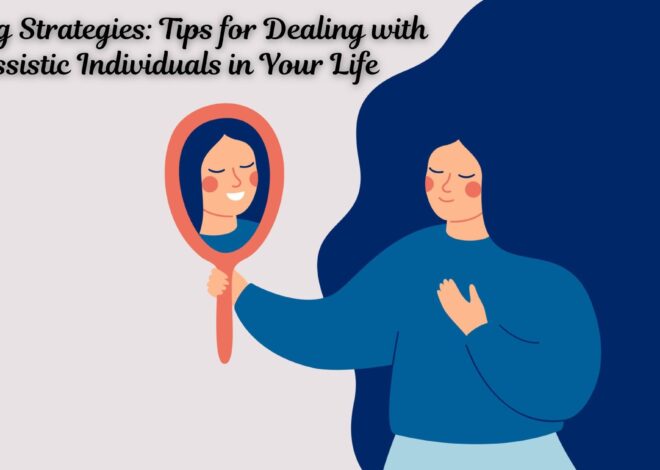
Valentine’s Day only lasts 24 hours, but the relationship you have with yourself lasts a lifetime. Start a new tradition this year: where the most important date on your calendar is the one you have with the person in the mirror.