The Art of the “Slow Date”: Reconnecting in a Fast-Paced Digital World
In 2026, the world moves at a speed that is almost impossible to quantify. We live in an era of “instant”: instant messaging, high-speed fiber optics, same-day delivery, and—perhaps most damagingly—”fast dating.” We’ve turned the search for human connection into a high-speed game of digital triage, swiping through faces as if we’re browsing a catalog for a new pair of sneakers.
The result? A profound sense of “dating fatigue.” We are more connected than ever, yet many of us feel increasingly lonely. We have hundreds of matches but zero meaningful conversations. We have “situationships” that move at lightning speed but lack a foundation.
Enter the “Slow Date.”
The Slow Date isn’t just about taking your time; it’s a deliberate rebellion against the digital franticness of modern life. It’s an art form that prioritizes presence over performance and depth over speed. Here is how to master the art of slowing down to truly reconnect.
The Philosophy of “Slow”
Borrowing from the “Slow Food” movement of the 1980s, the Slow Date encourages us to savor the experience of getting to know another person. In a fast-paced world, we often treat the first date like an interview—a hurdle to clear so we can get to the “next level.”
A Slow Date flips the script. The date is the level. It’s about being so deeply embedded in the current moment that the outside world—and your smartphone—effectively ceases to exist.
The 4 Pillars of a Successful Slow Date
To transition from “fast dating” to “slow dating,” you must anchor your time together in four specific pillars:
1. Intentional Environment
A loud, crowded bar with pounding music is the enemy of the Slow Date. Why? Because sensory overload triggers a “fast” response in the brain. You end up shouting over the noise, which leads to shallow, surface-level topics.
- The Slow Alternative: Choose environments that encourage a lower heart rate. A botanical garden, a quiet bookstore with a coffee nook, a late-afternoon picnic, or even a long walk by a river. These spaces provide natural “lulls” in conversation that don’t feel awkward, but rather, peaceful.
2. The Digital Blackout
Nothing kills the momentum of a burgeoning connection faster than the blue light of a notification. When you glance at your watch or phone, you are telling your date, “There is something potentially more important than you in my pocket.”
- The Slow Rule: Phones stay in “Do Not Disturb” mode and are placed inside a bag or car. If you must check it, do so away from the table. By removing the digital tether, you force your brain to engage fully with the person sitting across from you.
3. Low-Pressure Activities
Activities that have a “finish line”—like a 90-minute movie or a timed escape room—can sometimes feel like a race.
- The Slow Alternative: Engage in “parallel play.” Activities like browsing a flea market, visiting a gallery, or even taking a pottery class allow you to interact with an object or environment while you interact with others. This reduces the “interrogation” feel of a standard dinner date and allows for natural, unforced storytelling.
4. The “Curiosity” Mindset
In fast dating, we look for “dealbreakers” immediately. In slow dating, we look for “details.”
- The Slow Rule: Instead of asking, “What do you do for work?”, try asking, “What has been the most interesting part of your week so far?” Move away from the resume and toward the soul.
The Psychology: Why Slow is Better for the Brain
When we “fast date,” our brain is flooded with dopamine from the “newness” of a match, but we often lack the oxytocin—the bonding hormone—that comes from steady, safe interaction.
Psychologists suggest that the “Slow Date” allows the nervous system to remain in a “parasympathetic” state (rest and digest). When we are relaxed, we are more empathetic, better listeners, and more likely to show our authentic selves. When we are rushed or stressed, we rely on “scripts” and “masks,” which prevent genuine intimacy from forming.
3 “Slow Date” Itineraries to Try This Weekend
If you’re ready to ditch the apps and the loud bars, here are three curated itineraries designed for reconnection:
1. The “Old-School” Correspondence Date
- The Activity: Meet at a quiet café or library that has stationery.
- The Slow Twist: Spend 30 minutes writing a letter or a postcard to a friend or relative while sitting together.
- Why it works: It shows your partner how you communicate with the people you love. It’s a quiet, shared activity that leads to deep conversations about family, history, and values.
2. The “Twilight Walk and Talk”
- The Activity: Choose a scenic trail or a historic neighborhood.
- The Slow Twist: There is no destination. You walk until you feel like stopping.
- Why it works: Movement helps flow the conversation. Without the “eye contact pressure” of a dinner table, people tend to be more honest and vulnerable.
3. The “Analog Night In”
- The Activity: Cooking a meal from scratch—specifically something that takes time, like handmade pasta or a slow-simmered stew.
- The Slow Twist: No music, no TV. Just the sound of the cooking and your conversation.
- Why it works: Working together toward a tactile goal builds teamwork and allows for “micro-connections” (passing the salt, sharing a taste-test) that build physical and emotional comfort.
Dealing with the “Slow” Anxiety
For many of us, “slow” feels boring. We are addicted to the “hit” of the next thing. If you find yourself feeling anxious during a Slow Date, acknowledge it. Tell your partner: “I realized I’m so used to being on my phone or rushing that it’s taking me a minute to just settle into this moment. But I’m really glad we’re doing this.”
That honesty itself is an act of “slow” connection. It invites your partner to be human with you.
Final Thoughts: Quality Over Velocity
The Art of the Slow Date isn’t about being inefficient; it’s about being effective. A hundred fast dates might leave you with a phone full of numbers, but one slow date can leave you with a heart full of hope.
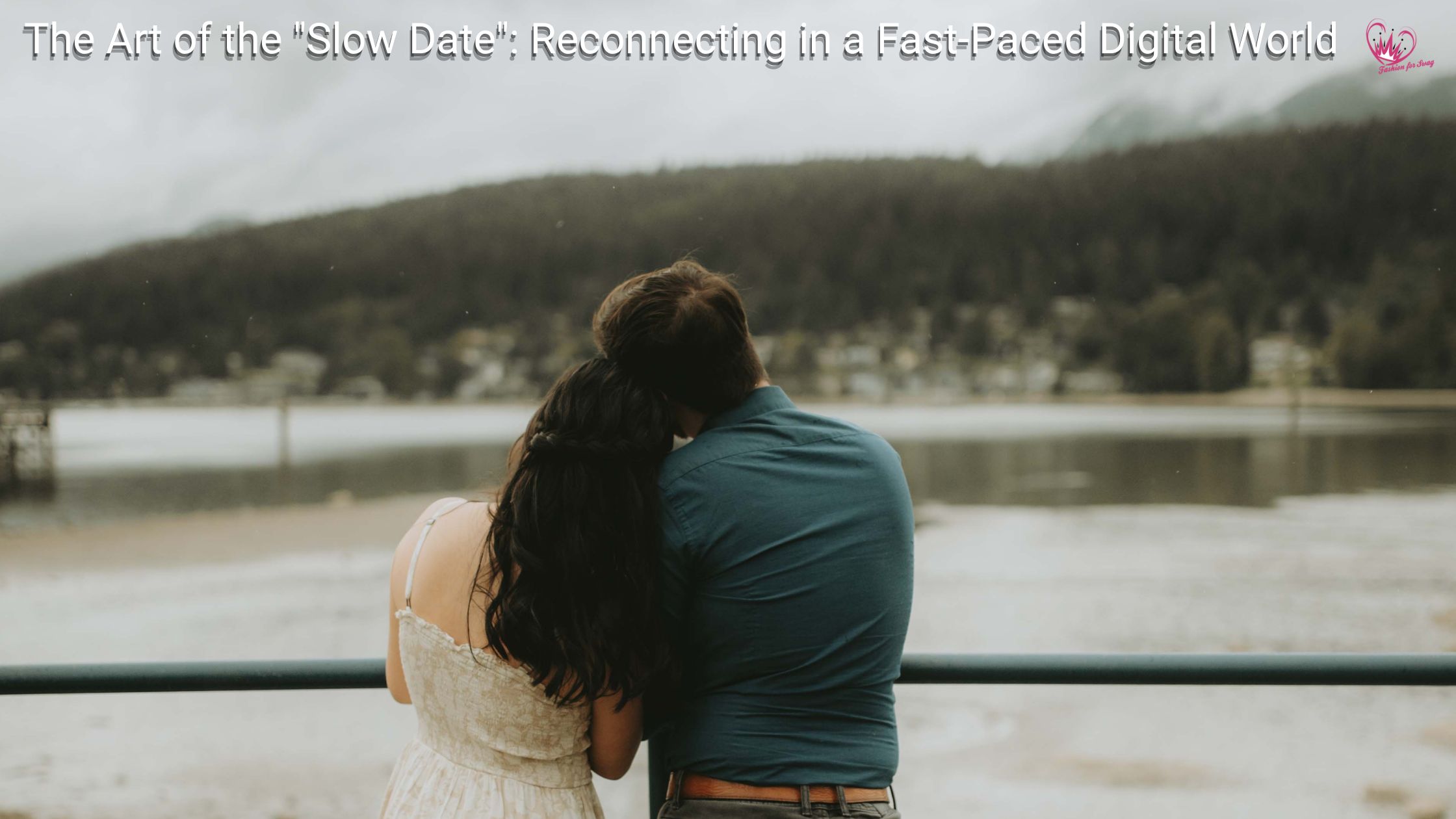
In a world that demands we go faster, the most radical and romantic thing you can do is stand still with someone and really look at them. Slow down. Listen. Be present. The digital world can wait; the person in front of you cannot.