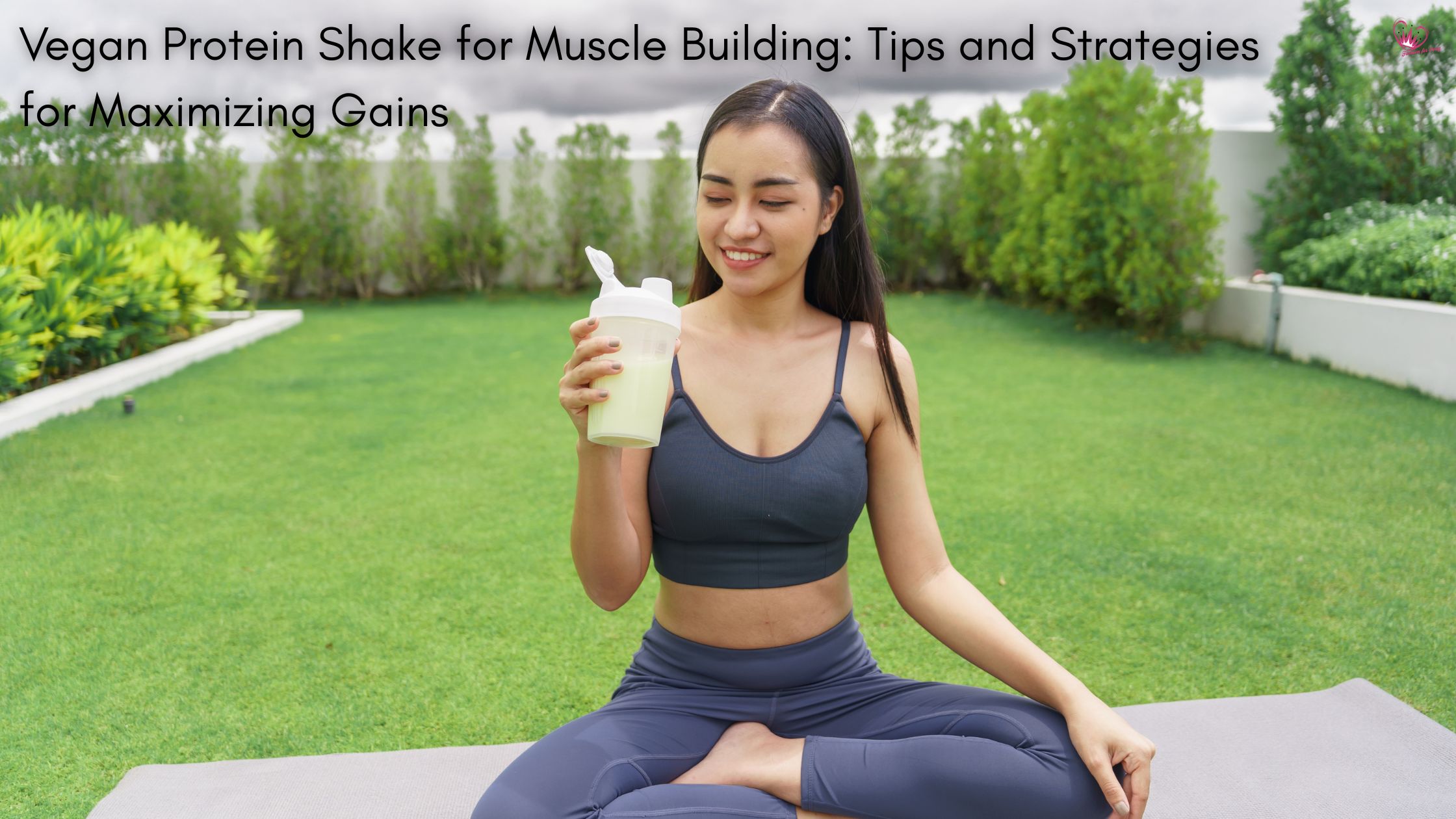
Vegan Protein Shake for Muscle Building: Tips and Strategies for Maximizing Gains
For decades, the fitness and bodybuilding industries peddled a singular, rigid narrative: if you want to pack on serious muscle, you must consume endless amounts of chicken breasts, beef, and whey protein. Fast forward to today, and that outdated narrative has been completely shattered. Elite athletes, bodybuilders, and fitness enthusiasts around the globe are proving that you can build incredible strength and an impressive physique entirely on a plant-based diet. The secret weapon in this plant-powered arsenal? The mighty vegan protein shake.
When formulated correctly, a plant-based shake can deliver an optimal amino acid profile, facilitate rapid muscle recovery, and provide the caloric density needed for hypertrophy (muscle growth). However, not all shakes are created equal. To maximize your gains without relying on animal products, you need to understand the science of plant proteins and how to structure your post-workout nutrition.
Here is your comprehensive guide to mastering the plant-based shake for maximum muscle building.
The Anatomy of the Perfect Muscle-Building Shake
Building muscle requires two primary nutritional elements: adequate protein to repair micro-tears in the muscle tissue, and sufficient calories to maintain an anabolic (muscle-building) state. A standard scoop of protein mixed with water won’t cut it. To build a shake that actually drives growth, you need to construct it using four key pillars.
1. The Protein Foundation (Finding the Complete Profile)
The biggest criticism of plant-based protein is the myth of “incomplete proteins.” While it is true that some individual plants lack certain essential amino acids, combining them solves this issue completely. Muscle growth specifically relies heavily on leucine, an amino acid that triggers muscle protein synthesis.
When selecting a powder for your vegan protein shake, look for a blend rather than a single source:
- Pea and Brown Rice Blend: This is the gold standard for vegan muscle building. Pea protein is high in lysine but low in methionine, while brown rice protein is high in methionine but low in lysine. Together, they create a complete amino acid profile that closely mimics whey.
- Soy Protein: A naturally complete protein that is highly bioavailable and excellent for muscle repair.
- Hemp Protein: While slightly lower in total protein per scoop, hemp is packed with omega-3 fatty acids and fiber, making it a great secondary addition.
2. Complex Carbohydrates (The Glycogen Replenishers)
Protein repairs the muscle, but carbohydrates refuel it. During intense resistance training, your body depletes its glycogen stores. Consuming carbs post-workout spikes your insulin slightly, which helps shuttle the amino acids from your protein powder directly into your muscle cells.
- Rolled Oats: Blend a half-cup of raw oats into your shake. They provide slow-digesting, complex carbs that add immense caloric value for bulking.
- Bananas: A frozen banana not only provides rapid-digesting carbohydrates for immediate energy replenishment but also gives your shake a thick, creamy, milkshake-like texture.
3. Healthy Fats (The Caloric Boosters)
If your goal is to build muscle, you need to be in a caloric surplus (eating more calories than you burn). Healthy fats are the easiest way to increase the caloric density of your shake without having to drink a massive, uncomfortably filling volume of liquid.
- Nut Butters: Peanut, almond, or cashew butter adds 100-200 high-quality calories and a rich flavor.
- Seeds: A tablespoon of chia seeds, flaxseeds, or hemp hearts provides essential omega-3 fatty acids, which help reduce exercise-induced inflammation and speed up recovery.
4. The Liquid Base
Ditch the water if you want to maximize gains. Use an unsweetened plant milk to add extra nutrients, calories, and a creamier texture. Soy milk is the reigning champion for muscle building, boasting about 8 grams of complete protein per cup. Oat milk is fantastic for extra carbohydrates, while almond milk is great if you prefer a lighter base.
Timing and Strategy: When to Drink Your Shake
The concept of the “anabolic window”—the idea that you must consume protein within 30 minutes of finishing your workout or lose all your gains—has been largely debunked by modern sports nutrition science. Total daily protein intake is far more important than exact timing.
However, having a vegan protein shake within 1 to 2 hours post-workout is still highly strategic. Your muscles are primed to absorb nutrients, and a liquid meal is digested much faster than a solid food meal, delivering amino acids to damaged tissues rapidly.
If you struggle to eat enough calories throughout the day to support muscle growth, consider adding a second shake to your routine. A smaller, less calorically dense shake right before bed can provide your body with a slow drip of amino acids overnight while you sleep and recover.
Troubleshooting: How to Make It Taste Amazing
Let’s be honest: some plant-based protein powders can taste earthy, chalky, or overly sweet from artificial flavorings. Here are a few pro-tips to elevate the sensory experience of your shake:
- The Power of Frozen Fruit: Never use ice cubes. Ice waters down the flavor and ruins the texture. Instead, freeze your bananas, berries, and even zucchini (trust us, you can’t taste it, and it adds incredible creaminess).
- Blend the Greens First: If you are adding spinach or kale for micronutrients, blend them with your liquid base before adding your protein powder and other ingredients. This prevents you from chewing on leafy chunks.
- A Pinch of Salt: It sounds counterintuitive, but a tiny pinch of sea salt enhances the sweetness of the fruit and neutralizes any bitterness from the plant protein.
- Cinnamon and Cocoa: Elevate the flavor profile with natural spices. Cinnamon helps regulate blood sugar, while dark cocoa powder adds antioxidants and a rich chocolate flavor.
The “Mass Builder” Vegan Protein Shake Recipe
Ready to put these strategies into action? Here is a high-calorie, high-protein recipe designed specifically for maximizing muscle growth.
Ingredients:
- 1.5 cups unsweetened soy milk (or oat milk)
- 1 scoop high-quality chocolate or vanilla vegan protein powder (pea/rice blend)
- 1 large frozen banana
- 1/2 cup rolled oats
- 2 tablespoons natural peanut butter
- 1 tablespoon chia seeds
- A handful of fresh spinach (optional, for micronutrients)
- A dash of cinnamon
Instructions:
- Add the soy milk and spinach to the blender and blend until completely smooth.
- Add the oats and blend for another 15 seconds to break them down.
- Add the protein powder, frozen banana, peanut butter, chia seeds, and cinnamon.
- Blend on high until thick and creamy.
Approximate Macros: 550-600 Calories | 40g+ Protein | 55g Carbohydrates | 20g Fats
The Bottom Line
Building a formidable physique on a plant-based diet is not just possible; with the right approach, it can be highly efficient. A well-crafted vegan protein shake is more than just a convenient snack; it is a targeted nutritional tool. By combining complementary proteins, adding healthy fats for caloric density, and utilizing complex carbohydrates for recovery, you can fuel your workouts, optimize your recovery, and maximize your muscle gains—all while leaving animal products off the menu. Consistency is key. Lift heavy, prioritize your nutrition, blend up your shake, and watch the progress follow.