Discovering the Top Cities for Viewing the Solar Eclipse
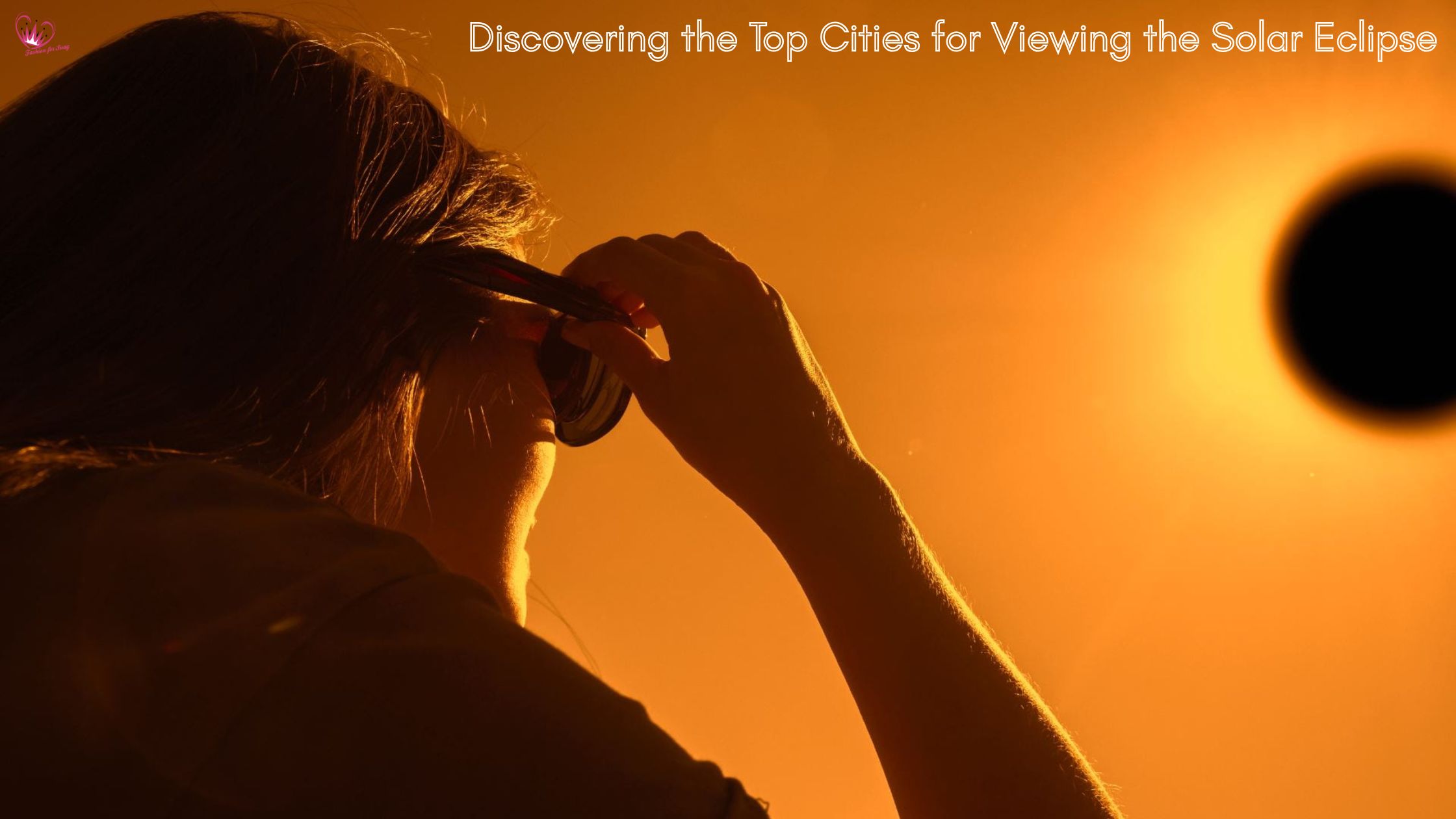
There is almost nothing in nature quite as jaw-dropping as a total solar eclipse. For a few breathtaking minutes, the Moon steps directly in front of the Sun, plunging the sky into a eerie midday twilight, dropping the temperature, and revealing the ethereal glow of the solar corona.
While millions of people caught the eclipse bug during the Great North American Eclipse, chasing totality requires knowing exactly where to stand. The path of totality—the narrow strip on Earth where the Moon completely blocks out the Sun—moves around the globe with each celestial alignment.
Looking ahead to the next major global eclipse event on August 12, 2026, mainland Europe will witness its first total solar eclipse in over 25 years. From volcanic landscapes in Iceland to historic coastal fortresses in Spain, here are the top cities for viewing the solar eclipse on your next bucket-list journey.
What Makes a Great Eclipse Viewing City?
Before booking your flights and hotel rooms, it helps to know what makes an ideal observation destination. The best eclipse viewing hubs combine three crucial factors:
+—————————————————————–+
| ECLIPSE TRIP SUCCESS TRIAD |
| |
| 1. Path Position ===> Longer totality duration |
| 2. Clear Weather ===> Low historical cloud cover |
| 3. Infrastructure ==> Accessible transport & accommodations |
+—————————————————————–+
- High Totality Duration: Cities sitting right along the centerline of the umbral shadow enjoy maximum darkness, lasting anywhere from 1 to over 2 minutes.
- Clear Historical Weather: Thick cloud cover can ruin an otherwise perfect view. Choosing arid, low-cloud regions dramatically raises your odds of clear skies.
- Robust Travel Infrastructure: Cities with good public transit, abundant lodging, and accessible open spaces (like beaches or public parks) make managing eclipse-day crowds much easier.
Top Cities for Viewing the Solar Eclipse in 2026
The path of totality for the August 2026 total solar eclipse sweeps across Greenland, Iceland, and northern Spain, making these urban centers prime destinations for eclipse chasers worldwide.
1. Reykjavík, Iceland
If you want to combine cosmic wonders with dramatic volcanic landscapes, Reykjavík is a top-tier candidate. Iceland’s capital sits comfortably inside the path of totality, providing over a full minute of pitch-black darkness during the late afternoon.
- Totality Duration: ~1 minute and 1 second
- Why It’s Special: Watching the solar corona flare over coastal fjords and geothermal fields is a once-in-a-lifetime sight.
- Local Tip: Weather in Iceland can be unpredictable. Rent a camper van or car so you can drive east or west along the coast if local cloud cover rolls in right before totality.
REYKJAVÍK, ICELAND (Late Afternoon)
\ / [ MOON ]
\ / / \
— O — | CORONA |
/ \ \ /
/ \ [ SUN ]
~~~~~~~~~~~~~~~~~~~~~~~~~~~~~~~~~
/\ /\ /\ Coastal Fjords /\ /\
2. A Coruña (Galicia), Spain
Located on the northwestern Atlantic tip of Spain, A Coruña will be among the very first cities on continental Europe to enter the Moon’s shadow.
- Totality Duration: ~1 minute and 17 seconds
- Why It’s Special: The city is home to the Tower of Hercules, an ancient Roman lighthouse standing dramatically on the ocean’s edge. Gathering around the coast to watch the sun go dark over the Atlantic makes for an iconic backdrop.
- Local Tip: Ocean breezes can cause shifting coastal fog. Stay mobile and keep an eye on real-time satellite maps on eclipse morning.
3. Oviedo & Gijón (Asturias), Spain
Nestled in northern Spain’s verdant Asturias region, neighboring cities Oviedo and Gijón sit almost dead-center in the path of totality, offering some of the longest totality durations on the Spanish mainland.
- Totality Duration: ~1 minute and 49 seconds (Oviedo) / 1 minute and 45 seconds (Gijón)
- Why It’s Special: Gijón offers stunning urban beach park vistas along the Bay of Biscay, while historic Oviedo gives you majestic pre-Romanesque architecture framed by dark afternoon skies.
4. Zaragoza (Aragón), Spain
For travelers prioritizing clear, sunny skies above all else, Zaragoza is arguably one of the safest bets in Europe. Situated in the inland Ebro Valley, Aragonese summers are historically dry, warm, and virtually cloud-free.
- Totality Duration: ~1 minute and 25 seconds
- Why It’s Special: The eclipse occurs in the evening, casting a dramatic shadow directly over the famous Basílica del Pilar and the Ebro River.
- Local Tip: Summer temperatures in inland Spain can get quite hot during midday. Plan to stay hydrated in air-conditioned spaces until the partial phase begins in the evening.
5. Palma (Majorca / Balearic Islands), Spain
If you prefer a Mediterranean getaway with your eclipse experience, Palma on the island of Majorca offers a stunning grand finale. Here, totality occurs just as the Sun reaches the horizon, creating a rare “Sunset Eclipse.”
- Totality Duration: ~1 minute and 36 seconds
- Why It’s Special: Watching the Sun’s glowing corona sink directly into the turquoise Mediterranean waters is a photographer’s dream.
- Local Tip: Because the Sun will be extremely low on the horizon (around 2 degrees), you must secure an elevated viewpoint or a clear west-facing beach to prevent buildings or cliffs from blocking your view.
Comparing the Best Viewing Locations
| City | Country | Approx. Totality Duration | Primary Vantage Advantage |
| Reykjavík | Iceland | 1 min 01 sec | Dramatic volcanic landscape & ocean fjords |
| A Coruña | Spain | 1 min 17 sec | Coastal vantage points along the Atlantic |
| Oviedo | Spain | 1 min 49 sec | Long duration of totality on mainland Europe |
| Zaragoza | Spain | 1 min 25 sec | Excellent historical weather & low cloud cover |
| Palma (Majorca) | Spain | 1 min 36 sec | Sunset eclipse over the Mediterranean Sea |
Essential Travel Gear for Eclipse Chasers
Heading out to watch a solar eclipse without the right preparation can spoil the experience—or worse, damage your eyesight. Keep these four items in your daypack:
+—————————————————————–+
| ECLIPSE ESSENTIALS CHECKLIST |
| |
| [ ] ISO 12312-2 Certified Solar Glasses (Never use sunglasses)|
| [ ] Solar Filters for Cameras / Binoculars |
| [ ] Foldable Camp Chair / Lawn Blanket |
| [ ] Layered Clothing (Temperatures drop during totality) |
+—————————————————————–+
- ISO 12312-2 Certified Eclipse Glasses: You must wear approved protective glasses during all partial phases. Standard sunglasses are not safe.
- Solar Filters for Lenses: Looking at the Sun through camera lenses, binoculars, or telescopes without dedicated solar filters will permanently ruin your optics and severely injure your eyes.
- Patience and Flexibility: Roads into the path of totality get congested fast on eclipse day. Arrive at your chosen viewing spot early in the morning, pack plenty of snacks, and plan to linger long after totality ends to avoid traffic jams.
The Takeaway: A total solar eclipse is a transformative natural event that stays with you forever. Whether you choose to stand atop an Icelandic lava field, rest on an Atlantic beach, or sip wine under a Mediterranean sunset, visiting these top cities for viewing the solar eclipse guarantees front-row seats to nature’s most spectacular show.