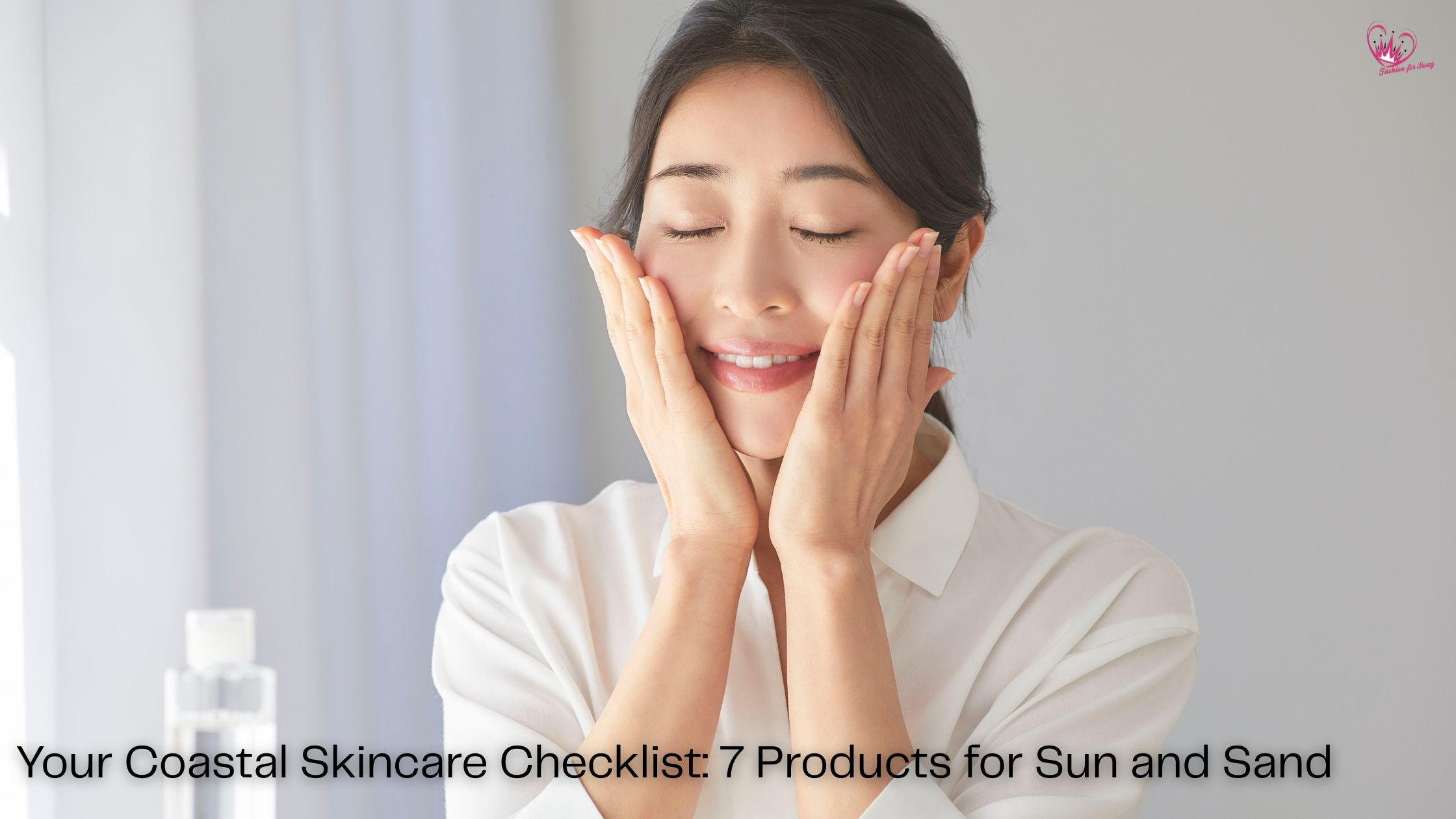
Your Coastal Skincare Checklist: 7 Products for Sun and Sand
There is something restorative about the coast—the rhythmic sound of the waves, the salt in the air, and the feeling of warm sand between your toes. But while a beach day is a tonic for the soul, it can be a battlefield for your skin. Between the intensified UV reflection off the water and the dehydrating effects of saltwater and wind, your standard bathroom cabinet routine isn’t going to cut it.
Coastal skincare isn’t just about preventing a sunburn; it’s about managing oxidative stress, moisture loss, and barrier repair. Whether you’re heading to the Hamptons, the Amalfi Coast, or a local hidden cove, this 7-product checklist is your blueprint for a healthy, sun-kissed glow that doesn’t come with a side of premature aging.
1. The Mineral Shield (Zinc-Based SPF 50+)
When you are by the ocean, you are getting hit with UV rays from two directions: directly from the sun and reflected off the water and white sand. Chemical sunscreens are great, but for the coast, Mineral (Physical) Sunscreen is the gold standard.
- Why it’s essential: Mineral filters like Zinc Oxide and Titanium Dioxide sit on top of the skin and reflect light like a mirror. They are also generally “Reef Safe,” meaning they won’t harm the delicate coral ecosystems you might be swimming in.
- The Coastal Twist: Look for a “tinted” version to avoid the ghostly white cast and to provide an extra layer of protection against HEV (blue light) from the bright coastal sun.
2. The Vitamin C Serum (Antioxidant Defense)
Sunscreen is your first line of defense, but it isn’t a 100% impenetrable shield. Some UV rays will inevitably penetrate, creating free radicals—unstable molecules that break down collagen.
- Why it’s essential: Vitamin C is a potent antioxidant that neutralizes these free radicals before they can cause “photo-aging” (wrinkles and dark spots).
- Application Tip: Apply Vitamin C serum in the morning under your sunscreen. Think of it as your secondary insurance policy against the sun.
3. The Scalp & Hair Mist (UV Protection for Strands)
Most people forget that the scalp is skin, too. A burnt part line is painful and can lead to peeling that looks like dandruff. Furthermore, saltwater opens the hair cuticle, allowing UV rays to bleach out your color and strip away natural oils.
- Why it’s essential: A dedicated hair and scalp mist provides a lightweight UV filter that doesn’t leave your hair greasy.
- Pro Tip: Wet your hair with fresh water before hitting the ocean. Your hair is like a sponge; if it’s already saturated with fresh water, it will absorb less salt and chlorine.
4. The Hydrating Facial Mist (Salt-Neutralizer)
Saltwater is “hypertonic,” meaning it literally sucks the moisture out of your skin cells through osmosis. If you let saltwater dry on your face, it leaves behind micro-crystals that act like tiny magnifying glasses, intensifying sun exposure and causing irritation.
- Why it’s essential: A quick spritz of a mist containing Rosewater or Aloe helps to dilute the salt and rehydrate the skin on the go.
- The Coastal Twist: Keep this in your cooler bag. The cold mist will help constrict blood vessels and reduce the “flushed” look caused by heat.
5. The Barrier-Repairing Cleansing Oil
After a day at the beach, your skin is coated in a stubborn cocktail of waterproof SPF, sand, salt, and sweat. A standard foaming cleanser often isn’t strong enough to break this down without aggressive scrubbing, which further irritates sun-sensitized skin.
- Why it’s essential: An oil-based cleanser (Barrier-Repairing Cleansing Oil) dissolves waterproof sunscreen effortlessly while keeping the skin’s lipid barrier intact.
- How to use: Massage onto dry skin first to break down the grime, then rinse with lukewarm (never hot) water.
6. The Hyaluronic Acid “Plumper”
Post-beach skin often looks “crepey” or dehydrated. Hyaluronic Acid (HA) is a humectant that can hold 1,000 times its weight in water, making it the ultimate tool for “flooding” the skin with moisture after a day in the wind.
- Why it’s essential: It pulls moisture into the deeper layers of the epidermis, instantly smoothing out fine lines caused by dehydration.
- Application Tip: Always apply HA to damp skin. If you apply it to bone-dry skin in a dry coastal breeze, it can actually draw moisture out of your skin.
7. The After-Sun Soothing Balm (Ceramides & Centella)
Forget the bright blue, alcohol-laden aloe gels from the drugstore. For true coastal recovery, you need an After-Sun Soothing Balm rich in Ceramides and Centella Asiatica (Cica).
- Why it’s essential: Ceramides act as the “mortar” between your skin cell “bricks,” repairing the damage done by the sun. Centella is an ancient medicinal herb that significantly reduces redness and inflammation.
- The Result: Instead of waking up with tight, red skin, you’ll wake up with a soft, resilient glow.
Your Coastal Routine: A Morning-to-Night Timeline
To make this checklist actionable, here is how to sequence these products for maximum efficacy:
| Time | Action | Product |
| 8:00 AM | Prepare | Cleanse, apply Vitamin C Serum, then Mineral SPF. |
| 10:00 AM | Protect | Spritz Hair & Scalp Mist before heading out. |
| 1:00 PM | Refresh | Use Hydrating Mist to cool down and dilute salt. |
| 3:00 PM | Re-apply | Apply more Mineral SPF (mandatory every 2 hours). |
| 6:00 PM | Recover | Cleansing Oil to remove SPF, followed by Hyaluronic Acid. |
| 9:00 PM | Repair | A thick layer of After-Sun Soothing Balm before bed. |
The “Hidden” Coastal Threat: Windburn
We often focus on the sun, but the “coast” often comes with a constant breeze. High wind speeds increase Transepidermal Water Loss (TEWL). If you notice your skin feels tight and “hot” but isn’t red like a sunburn, you likely have windburn. This is where your Soothing Balm and Hyaluronic Acid become your best friends. They create an occlusive seal that prevents the wind from stripping your skin’s natural moisture.
Final Thoughts
The secret to a perfect coastal glow isn’t a “tan”—it’s hydration and protection. By switching to mineral filters, neutralizing salt immediately, and focusing on barrier repair in the evening, you can enjoy the ocean without the long-term cost of skin damage. Pack your bag, wear your hat, and let the sea set you free.